Role of Public Relations in Reputation Management
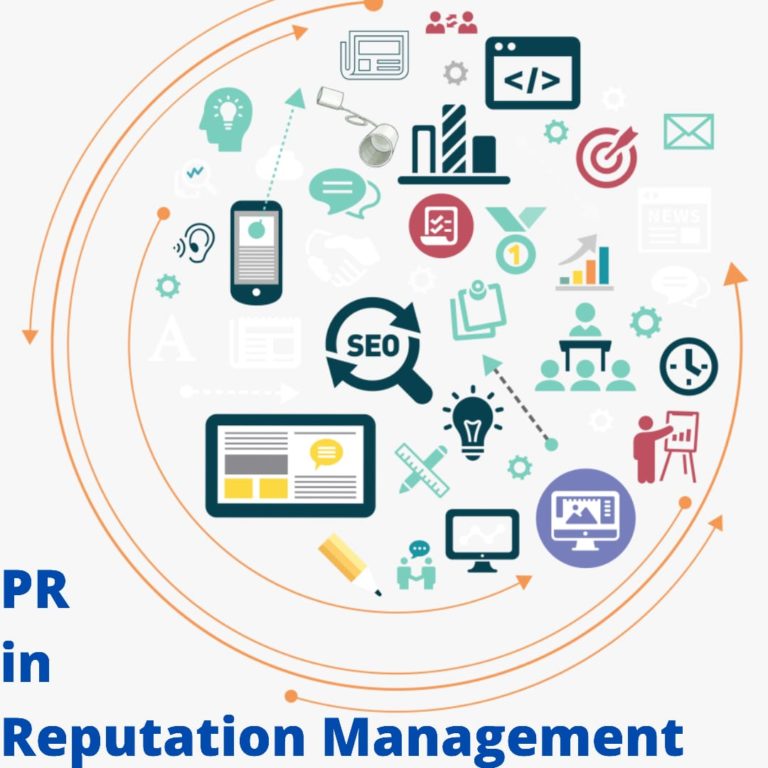
What is the role of public relations in reputation management? Public relations is the function that decides what your stakeholders believe about your brand, and it does that work continuously, not only when something goes wrong. In practice PR plans the story, keeps it consistent across every platform, rehearses the crisis scenarios before they happen, and repairs the trust that a crisis damages. Reputation management is the outcome. Public relations is one of the main engines that delivers it.
"PR is extremely important, and being able to use it in the right way means everything. You have to market your success."
Lee Haney
Why is a strong online presence worth protecting?
Companies in the modern world are investing huge sums to make their online presence strong. The digital world is enormous, it is growing fast, and it keeps opening new avenues for business. Trade dealings and acquisitions now happen over the internet, and potential customers are being reached through a widening set of mechanisms. That digital world has emerged stronger, with ample opportunity for any company to market its product or service online. But the online world only looks bright. It is dark at times, and that darkness can destroy the reputation you struggled to build over many years.
What does public relations actually protect?
Companies are now mindful of how much reputation matters, not only for selling products but for attracting investors and talent. That shift is forcing business communications to take a far more comprehensive approach. Public Relations is not about a product alone. It is a key device for guaranteeing the good reputation of the organisation, its staff and the wider brand. This means communication is no longer limited to brand talking to buyer. It now includes brand talking to partners: employees, investors, clients, prospective clients and the general public.
Business and revenue success is not simply a matter of direct customers. Demand for a product, and acceptance of an organisation, are not driven by the features or the sales push of the product alone. For a business to succeed today, the stakeholders beyond buyers have to be in step with the brand. Our present and prospective partners, including policy makers, purchasers, suppliers, distributors, opinion leaders, employees, investors and journalists, mostly base their engagement and loyalty to the product or the corporate brand on the amount and quality of the information they hold about it.
What does PR do behind the scenes during a crisis?
You have probably always associated public relations with the spotlight on special events held inside an organisation. What you may not have seen is the behind the scenes work that public relations does to restore the reputation of firms that have suffered a crisis. Whether your business is a small local shop or a major brand, the role of public relations and crisis management is much the same. Public relations must be seen and practised as a fully integrated brand and reputation management function. Organisations have to anticipate, plan for and rehearse every credible situation that could cause harm or unwanted attention. It has often been said that it is not a question of whether a communications emergency will happen. It is a question of when.
Why does reputation management need PR more than advertising?
Public relations is an important aspect of reputation management. Advertising is losing its effect because it is one way communication. What brands require today is to go past monologue to what we call multilogue: many conversations running on many different platforms at once. There is a need for a coordinated approach, and that approach includes content. All of this has always been PR's core strength, which is exactly why it is the right fit. We are in the business of storytelling and content creation, and brand custodians are catching on quickly.
PR has to adjust to these new demands and evolve the way it works if it is going to make the most of the opportunity. Measuring a brand's reputation, for instance, calls for consumer panels, possibly focus groups, monitoring and analysis. A lot of that is only feasible when there is a campaign running. It would probably do a great deal of good if organisations put their energy into counsel and implementation rather than into self measurement.
Is PR a traditional, offline discipline?
It is not unusual for clients, and even for communications professionals themselves, to see PR as a traditional and offline discipline. It is not. PR must be seen and practised as a fully integrated brand and reputation management function. That starts with the strategic planning that underpins the brand's core identity and messaging, followed by continuous brand monitoring and management across different marketing disciplines using a range of online tools. Organisations must anticipate, plan for and rehearse every possible situation that could cause harm or unwanted attention, and they must make sure multi disciplinary teams are represented when communication plans and tools are built. Public relations specialists are key players at the table when those decisions are made.
Who handles reputation monitoring for businesses today?
Organisations are increasingly turning to the reputation monitoring services offered by agencies around the globe. Reputation management services use a multi disciplinary approach to maintaining reputation across the entire online community: blogs, articles, forums, search engines and, of course, social media. Online Reputation Manage is one such agency, and it deals with restoring the reputation of a business that has been hit by a crisis. We have experienced industry specialists and the most effective tools for online reputation management, alongside promotional methods such as digital marketing, app marketing, social media marketing and many more.
If your search results are already carrying something you did not put there, talk to a specialist before it settles in. Call +91 8700 450 757info@onlinereputationmanage.comEmail info@onlinereputationmanage.com and ask what can realistically be removed, suppressed or answered.