Online Reputation Manage: How to Protect Your Brand from Influencer Fraud with the Power of Numbers
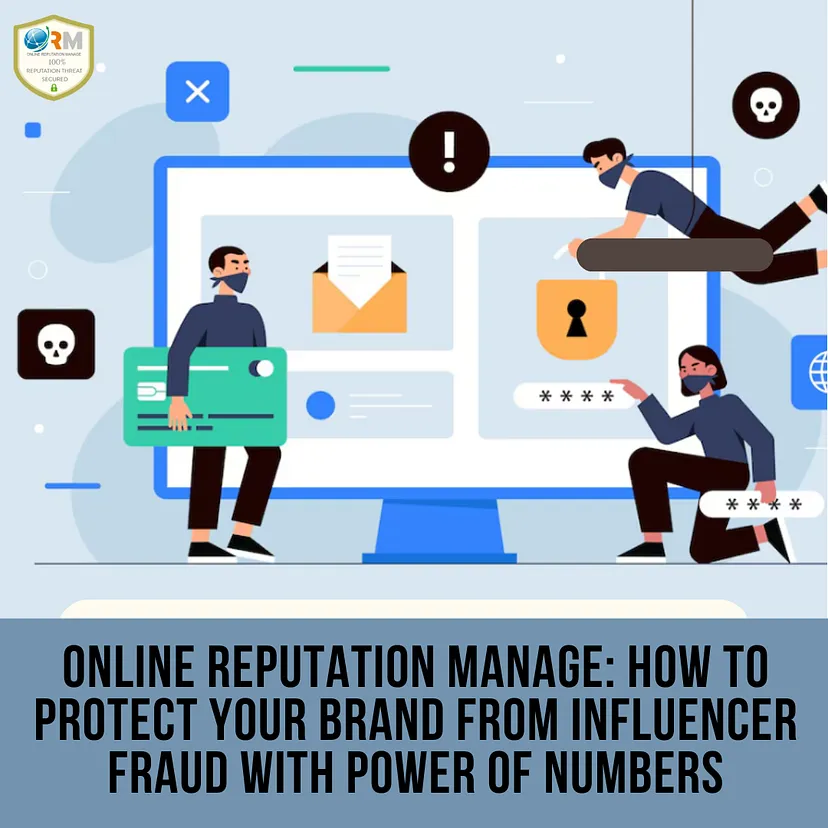
Can you protect your brand from influencer fraud? Yes, and the instrument that does it is numbers. Bought followers, bot comments and engagement pods all leave a measurable trail, so a brand that audits an influencer's numbers before signing anything can see the fraud coming and walk away. This article explains how influencer fraud works, the signals in the data that give it away, and how Online Reputation Manage screens influencers and monitors your brand's reputation while a campaign is running.
Influencers are dreamers, they are leaders with a vision. Johnny Hunt
How did marketing turn into a conversation you cannot fully control?
With the arrival of the digital world, marketing has moved on from sending out promotional advertisements on TV or radio to social media and much more. Businesses are investing heavily to strengthen their online presence. Marketing has been transformed from a one way channel into a dialogue between brands and customers. Technology has also made it harder to monitor every response customers give about a specific product or service. Those responses, when they are positive, help your brand build a good reputation. When they are bad, they need to be regulated, because left alone they can harm your reputation in the longer run.
Why has influencer marketing become a necessity for entrepreneurs?
Influencer marketing is increasingly becoming a need for entrepreneurs rather than an experiment. Collaborating with influencers helps create online buzz around your brand. It can also strengthen your brand's recognition, improve audience engagement, and increase conversions. Genuine influencers have a large following and share engaging content that keeps customers attracted to the brands they work with.
But where there are positives, negatives persist too, and so businesses have to deal with fraudulent influencers across the web. Influencer fraud continues to be an issue and it can happen in many ways, though one of the most common methods is when influencers choose to buy followers. Deceitful influencers put resources into artificially inflating their follower count, and in some cases they even use bots. What they are trying to do is avoid the hard work that comes with building a genuine social media following.
What does influencer fraud look like today?
Influencers chasing likes and followers often cheat by purchasing followers, bot comments and pods. Pods are groups of individuals who form alliances on social media to give positive comments and likes on one another's posts. Brands need to understand that these fraudulent influencers carry no real weight. What a brand actually needs is genuine, motivated followers. With the increasing traffic on social media, the number of fraudulent influencers is increasing as well.
According to Instascreener's information, fake influencer engagement rates first declined from 1.7% to 1% in May, on accounts with the least authentic audiences, after Instagram removed the likes and comments that came from third party applications. However, from September to December 2019, the fake engagement rate on those same accounts climbed back from 1% to almost 1.2%, because some of the influencers reporting fake engagement rates were able to work out ways around Instagram's policies.
Understanding the signs: how do you spot a fake influencer?
One common and easy way is to keep track of the likes and followers on the influencer's account. If you see a sudden spike in followers, it might be a sign that the new followers were bought. If you see an influencer with a very low follower count but a high level of comments and likes, that can indicate the engagement is auto generated. You may also notice that some comments on an influencer's social media posts are irrelevant to the post itself, which can confirm that the comments are fake.
The signals worth checking before you sign anything:
- A sudden, unexplained spike in follower count
- A low follower base paired with an unusually high number of likes and comments
- Comments that have nothing to do with the post they sit under
In order to avoid cheating, only a small part of your campaign should be built around chasing engagement and followers. Influencers matter to brands because they build a relationship with customers and create awareness. It is also important to recognise the power of micro influencers, who typically have under 100,000 followers and are not celebrities. They are seen as more credible, and there is a certain trust factor that people have with them compared with the mega influencers who have more than a million followers. Screening your influencers properly is one of the most significant steps you can take to reduce the risk of working with a fake influencer.
How does Online Reputation Manage protect your brand from influencer fraud?
Online Reputation Manage has a results driven marketing team of experts who build robust integrated marketing programmes for brands of all sizes, with specific expertise in the martech space. The team has the right exposure to promote your brand through digital marketing, app marketing, email marketing and social media marketing. They discover, manage and work with high end influencers to make sure that your brand reaches millions of passionate and socially engaged people.
They also continuously monitor your brand's reputation across the internet and help your brand earn relevant positive reviews. They have the best tools for online reputation monitoring of you and your brand across the entire online community, which includes blogs, articles, forums, press releases, search engines and many more. If you are about to commit budget to an influencer campaign, a numbers first screen is the cheapest insurance you can buy. Talk to a specialist at +91 8700 450 757info@onlinereputationmanage.com and have your shortlist checked before the contracts are signed.