
"Scam or Real?": Repairing an EdTech Brand's First Impression
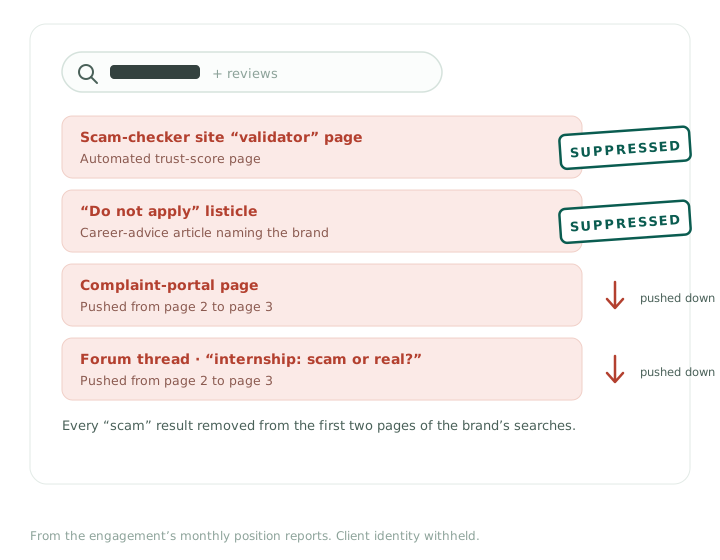
For an edtech startup selling paid internships and courses, the buying decision happens on Google. This client's page 1 and 2 answered the question "is it a scam?" with scam-checker "validator" pages, a "do not apply" listicle, a complaint portal, and a forum thread asking exactly that. Within the engagement's monthly cycles the scam-checker pages and the listicle were suppressed entirely and the complaint and forum results pushed off the first two pages. Client identity confidential; positions from the actual monthly report.
Tell us who to search for. A specialist scans your results the way a hesitant customer would and replies privately with a plan.
Something went wrong sending your request. Please try again, or WhatsApp us directly.
This site is protected by reCAPTCHA and the Google Privacy Policy and Terms of Service apply.
Why "Scam" Searches Matter More for EdTech
When a product asks students or parents to pay upfront, nearly every buyer runs one more search before checkout, and that search usually contains the word "reviews" or "scam". Automated scam-checker sites make this worse: they generate a "trust report" page for almost any domain, and those pages rank. This engagement, anonymized as always, tracked the three searches that stood between this client and every signup: the brand, the brand plus reviews, and the brand plus careers.
The engagement at a glance
The Work
Kill the automated "trust reports"
Two scam-adjacent pages, an automated validator "review" of the brand's payment domain and a "do not apply to these internships" listicle, were suppressed out of the tracked results entirely, so the brand's buyers stopped being greeted by a machine-generated verdict.
Push the doubt below the fold
The complaint-portal page and the "internship: scam or real?" forum thread were moved from page 2 to page 3 and the careers search was kept anchored by the brand's official hiring profiles, so students checking before paying now find the company's own footprint first.
A young brand with real customers can still lose the "is it legit?" search to automated scam-checkers and one loud thread. Owning that search is not vanity, it is conversion work: every result moved off pages 1 and 2 is a signup that stops leaking.
Win the search your buyers run before paying
A private scan of your brand's trust searches, and a plan for every result that plants doubt.