
Why Does Google AI Overview Show Negative Reviews About My Business?
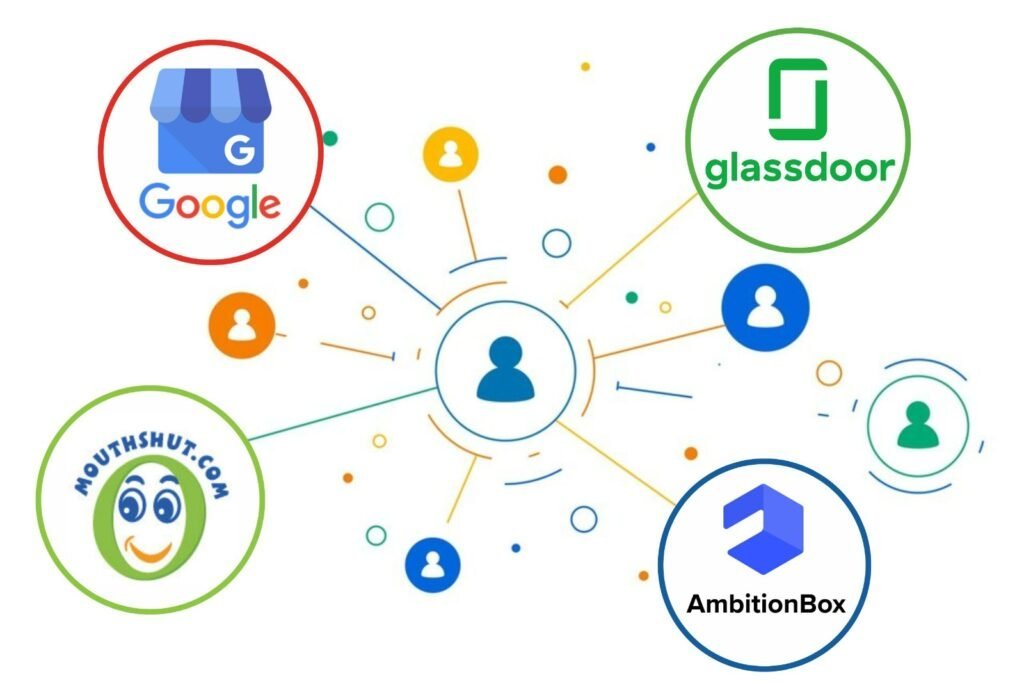
Why does Google AI Overview show negative reviews about my business? Because the overview is not stored anywhere. It is assembled live, at the moment of the search, from two inputs: the pages ranking for that query and the entity records Google already holds about you. If a review platform, a consumer forum thread or an old trade article ranks for "your brand reviews", the AI Overview summarises them, above your own website, on the exact query where trust is decided. This post explains what feeds a Google AI Overview with negative reviews, why it is the fastest AI surface to fix, and the levers that change it. It supports our Google AI Overviews reputation management service.
What is an AI Overview and why does it matter more than the results below it?
When someone searches your name or brand with a question attached, Google increasingly answers before it lists. The AI Overview is the paragraph pinned above the first result: a generated summary with a verdict already inside it. Many searchers read it and never click anything. That means a prospect can search "is this company reliable", read three sentences drawn from a forum thread and a review site, and close the tab without ever seeing your homepage sitting two inches below.
Why does the Google AI Overview show negative reviews instead of my website?
Every sentence in the overview traces to a page that ranks for the query or an entity record about you. In our audits the sources fall into a familiar order.
- Pages ranking for the query. The overview is built mostly from what already ranks. If "your brand reviews" returns an aggregator with a 2.1 rating in position two, that rating becomes a sentence.
- Reddit and consumer forums. Threads read as first-hand experience and are cited far more often than brands expect. One billing dispute from three years ago, resolved off-thread, can still be quoted as current.
- Review platforms. Google's own reviews, Glassdoor, Trustpilot and marketplaces are summarised directly. A cluster of policy-violating one-star reviews becomes "customers report delays".
- News and trade coverage. An article about a showroom closure or a past complaint, with the later context missing.
- Entity records. Your knowledge panel, Wikidata entry, registry listing and directory profiles. If they disagree, Google can blend you with a similarly named business and inherit its reviews.
Why is the AI Overview the fastest AI surface to fix?
Unlike a chatbot's frozen training memory, the overview is wired directly to Google's live index. It is built mostly from what already ranks for that query, so every classic reputation lever, removal, de-indexing, suppression and entity correction, shows up in the overview within days or weeks rather than after a model update. That also makes it measurable: you can watch the source set change and the summary change with it. If you are going to fix one AI surface first, fix this one. The chatbot side is covered in our post on why ChatGPT says negative things about a company.
Which negative reviews can actually be removed?
Reviews that break the platform's own rules. Google's content policy for contributed content prohibits fake engagement, which it defines as content "not based on a real experience or does not accurately represent the location or product in question", along with reviews that involve a conflict of interest such as current or former employment, impersonation, harassment, off-topic rants and the posting of personal information. A review that fits one of those categories can be reported with evidence and taken down. A genuine review from a real customer cannot, and the honest route is to respond to it, fix the underlying problem, and let newer genuine reviews dilute it. Our Google review removal service page explains the policies and the routes, and our negative review removal service handles it end to end.
What about reviews and threads that cannot be removed?
Change what ranks. The overview reads the top results, so the work is to make sure those results are the accurate ones: your own review profile with recent genuine ratings, your LinkedIn page, press coverage of what you are doing now, and a factual page on your own site that states who you are in plain sentences. When the ranking pages change, the overview is rewritten at the next search. This is the same suppression discipline used in reputation removal work for years, applied to a new surface.
How do you correct the entity side?
Make every record about your business agree. Same name, same address, same founding date, same leadership across your site, Google Business Profile, Wikidata, registries and directories. Add structured data to your site so Google can read the facts without guessing. Entity confusion is the quiet cause behind many overviews that mention a lawsuit, a closure or a rating that belongs to someone else.
Should you respond to the reviews the overview is quoting?
Yes, and promptly. A public, specific, non-defensive reply under a genuine negative review does two things. It shows the next reader that the business engages, and it adds text to the page that the overview may summarise alongside the complaint. "The delay was on our side, we refunded in full and changed the process" is a sentence an AI summary can carry. Silence leaves only the complaint. Our post on how to handle negative reviews covers the tone and structure that work.
How do you know the fix worked?
Capture the overview for your full query set before you start: brand name, brand plus reviews, brand plus complaints, brand plus scam, brand plus legit. Note every cited and uncited source. Re-run the same set every few weeks. Because the overview is live, you will see the sources change first and the summary follow. That measurement loop is what an AI reputation audit produces, and what AI brand monitoring keeps running afterwards.
If an AI Overview is repeating negative reviews about your business today, call +91 8700 450 757info@onlinereputationmanage.comemail info@onlinereputationmanage.com or contact the team and we will show you exactly which pages it is reading from.